
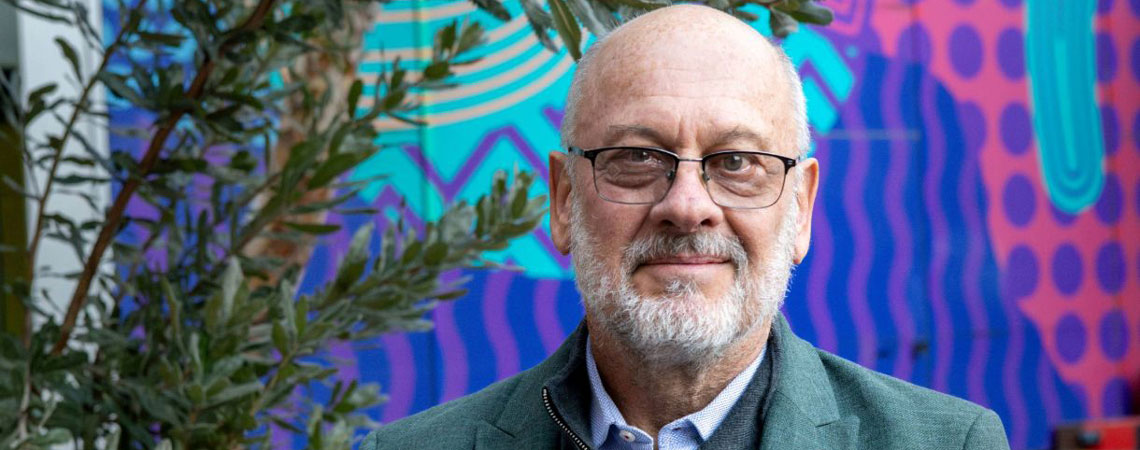

Australian businesses aren't ready for climate costs
Almost half of Australian businesses are lacking the green skills and knowledge for new mandatory climate reporting starting this year, according to a new report by RMIT Online and Deloitte Access Economics.
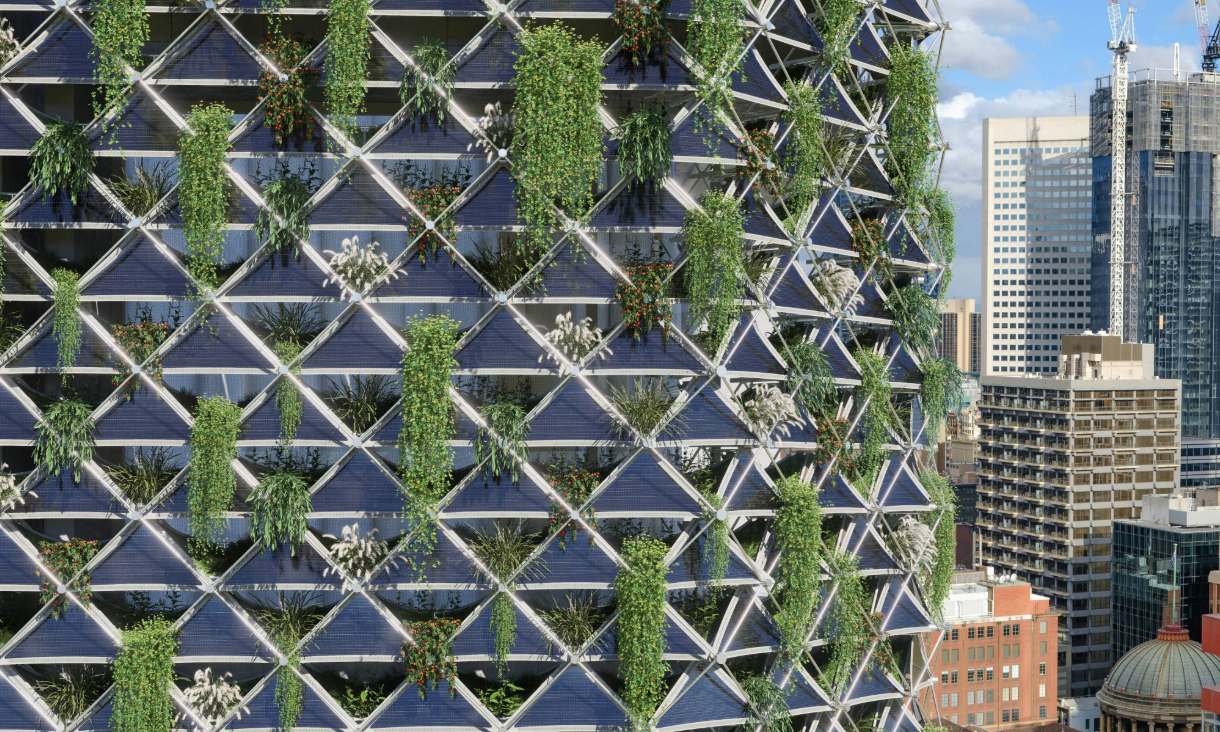
RMIT joins NGV as Futures Partner
RMIT renews NGV partnership up to 2029 as new exhibition shines a light on designs for a better future.
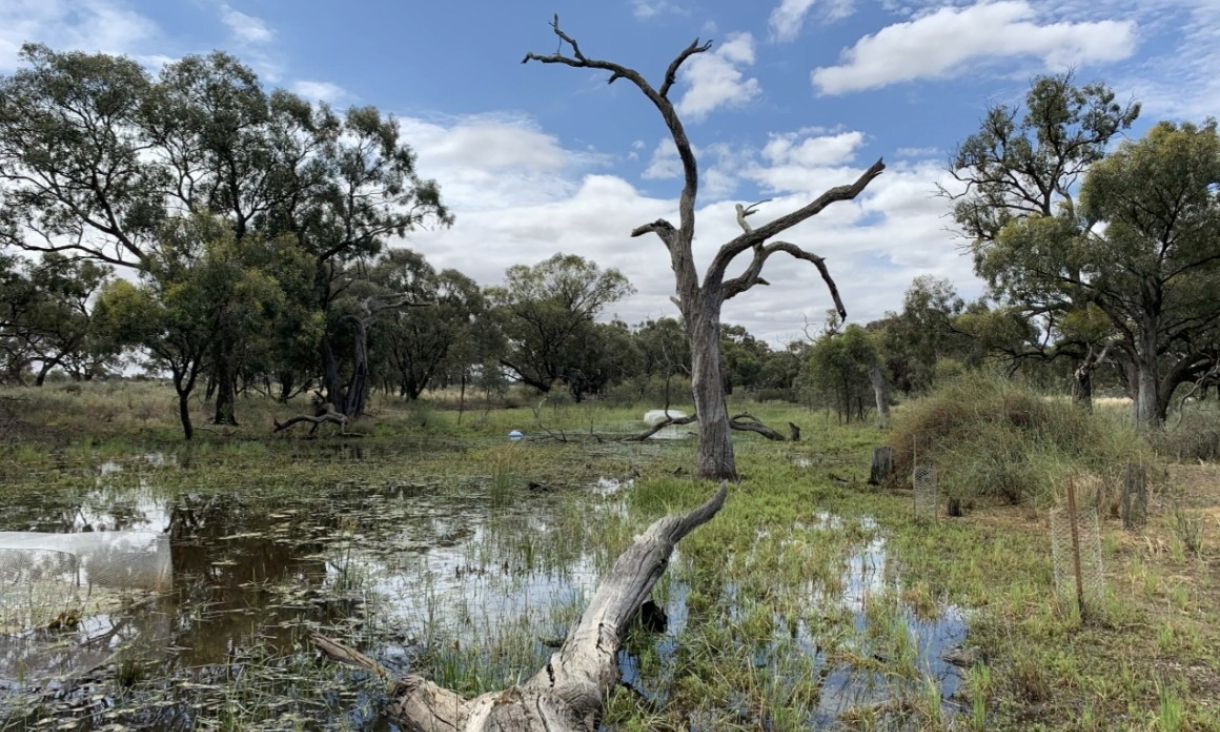
Restored wetlands reap benefits for climate, drought-resilience after just one year: study
Reviving floodplain wetlands slashes carbon emissions by 39% and restores critical ecosystem functions in one year – without the methane spike typically seen in restored peatlands, a new study has found.

Wastewater contaminants boost green hydrogen production
Research led by RMIT University has developed an experimental invention to turn wastewater’s high contaminant load into an advantage for making green hydrogen that could reduce reliance on fresh water – a scarce resource in many parts of the world.
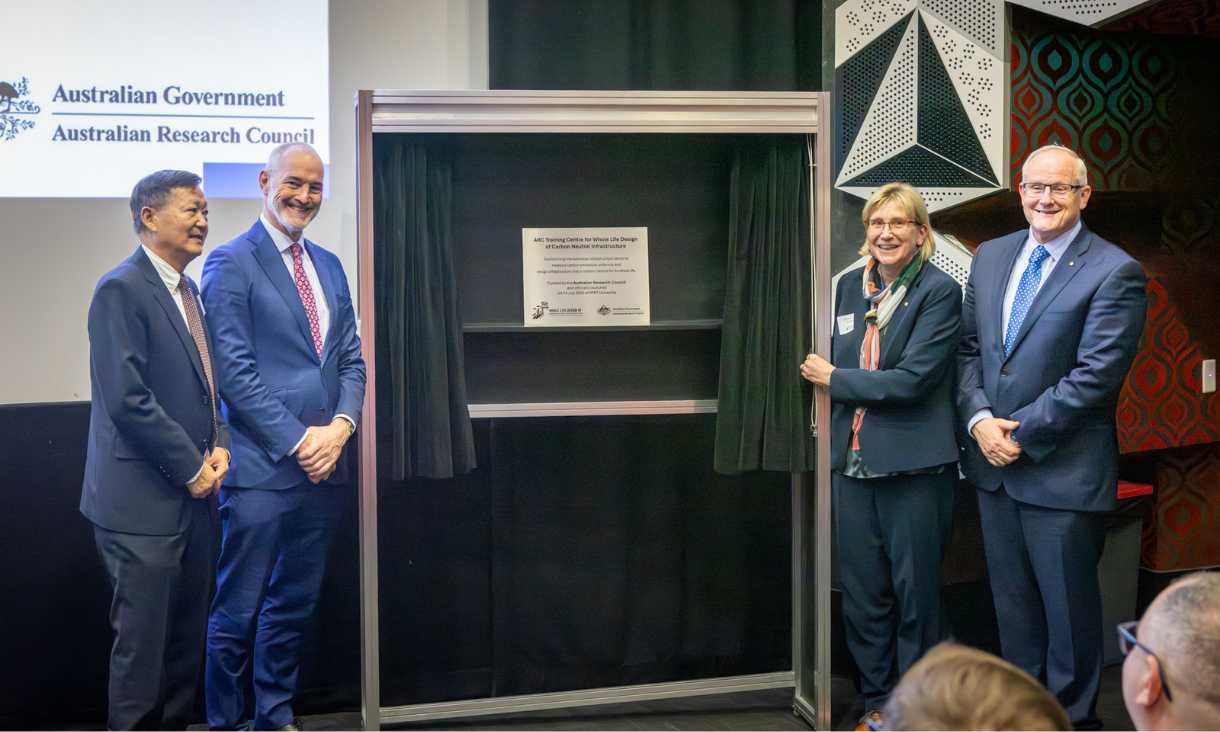
RMIT launches research centre for whole life design of carbon-neutral infrastructure
The ARC Industrial transformation Training Centre for Whole-Life Design of Carbon Neutral Infrastructure (DfCO2 Centre) will upskill Australia’s civil infrastructure workforce with the expertise to produce infrastructure that is carbon neutral for its whole life.
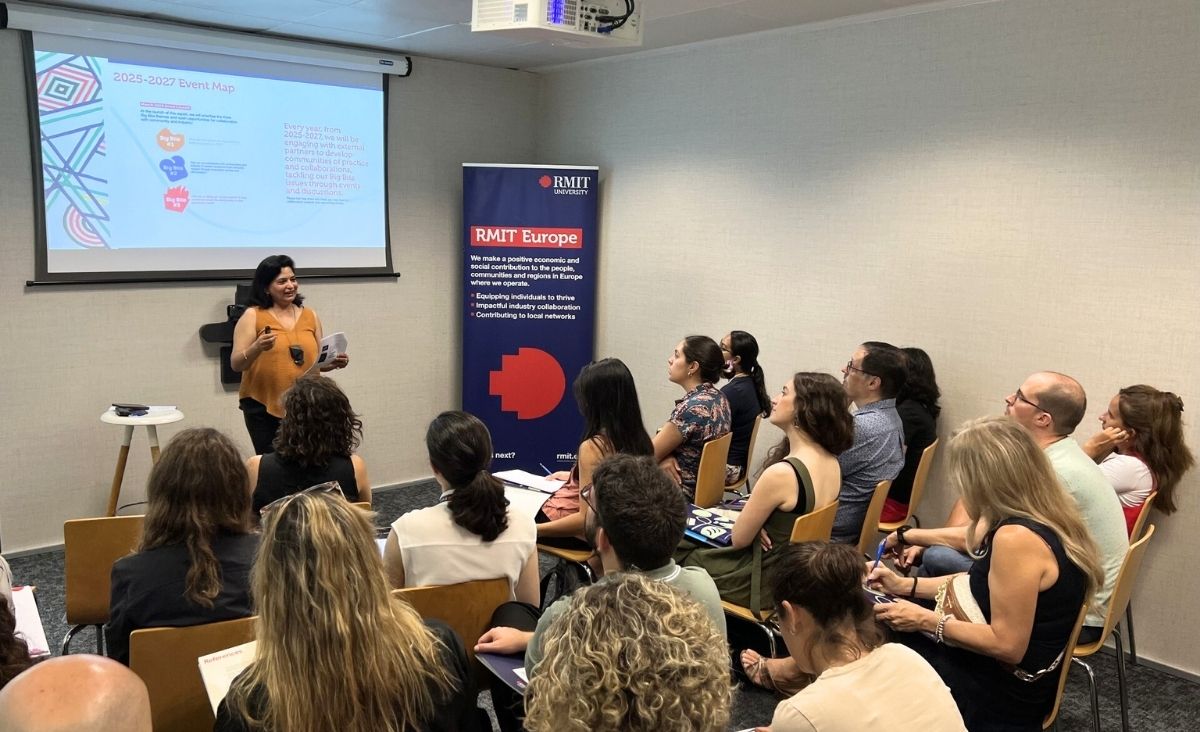
Exploring everyday food practices to tackle global challenges
RMIT Senior Research Fellow Bhavna Middha is exploring how food is experienced and practiced in everyday life and how this understanding can shape solutions to global food-related challenges.
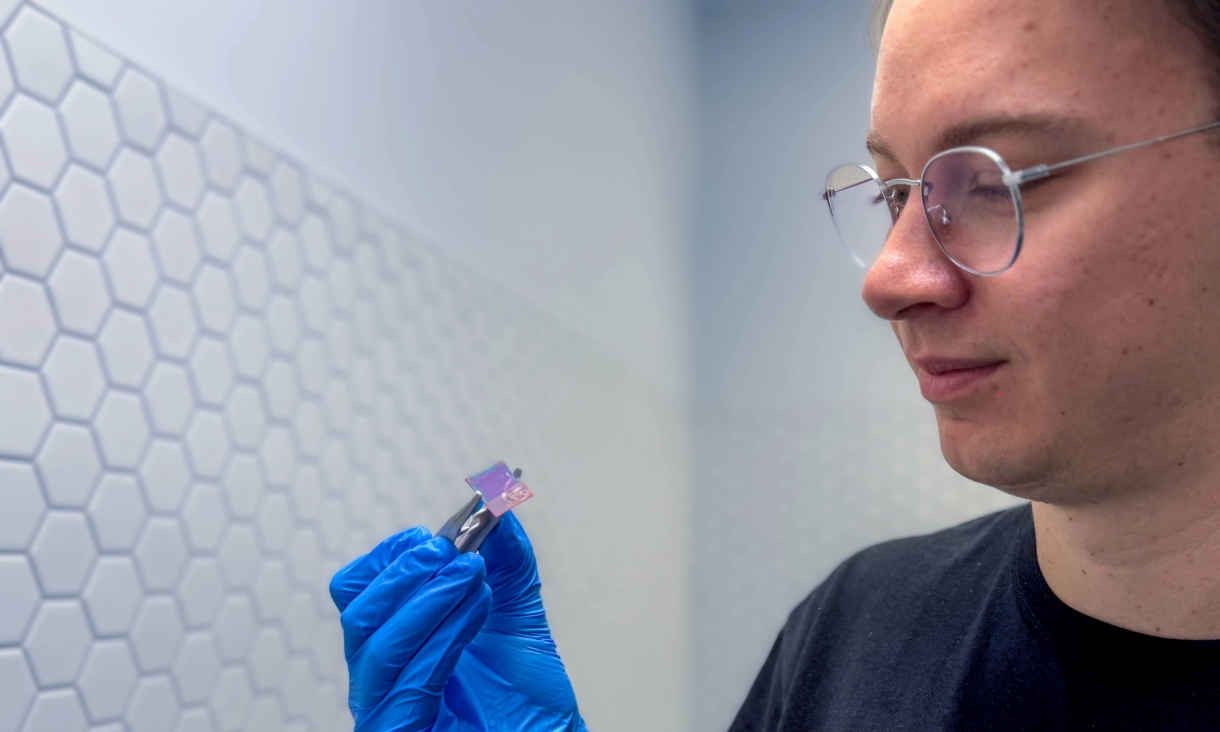
Quantum battery device lasts much longer than previous demonstrations
Researchers from RMIT University and CSIRO, Australia’s national science agency, have unveiled a method to significantly extend the lifetime of quantum batteries – 1,000 times longer than previous demonstrations.
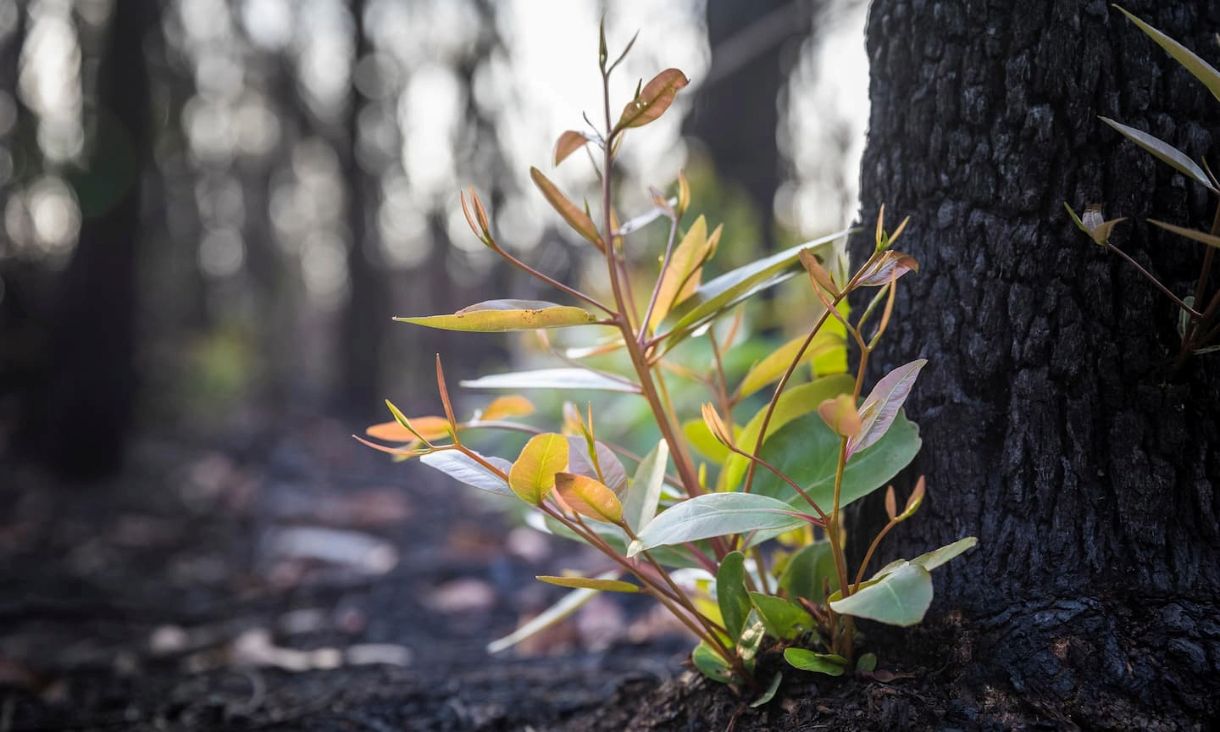
RMIT launches Australia’s first Regenerative Futures Institute
Launching in early 2026, the RMIT Regenerative Futures Institute (RFI) is set to become a force in advancing regenerative practices and sustainability innovation.
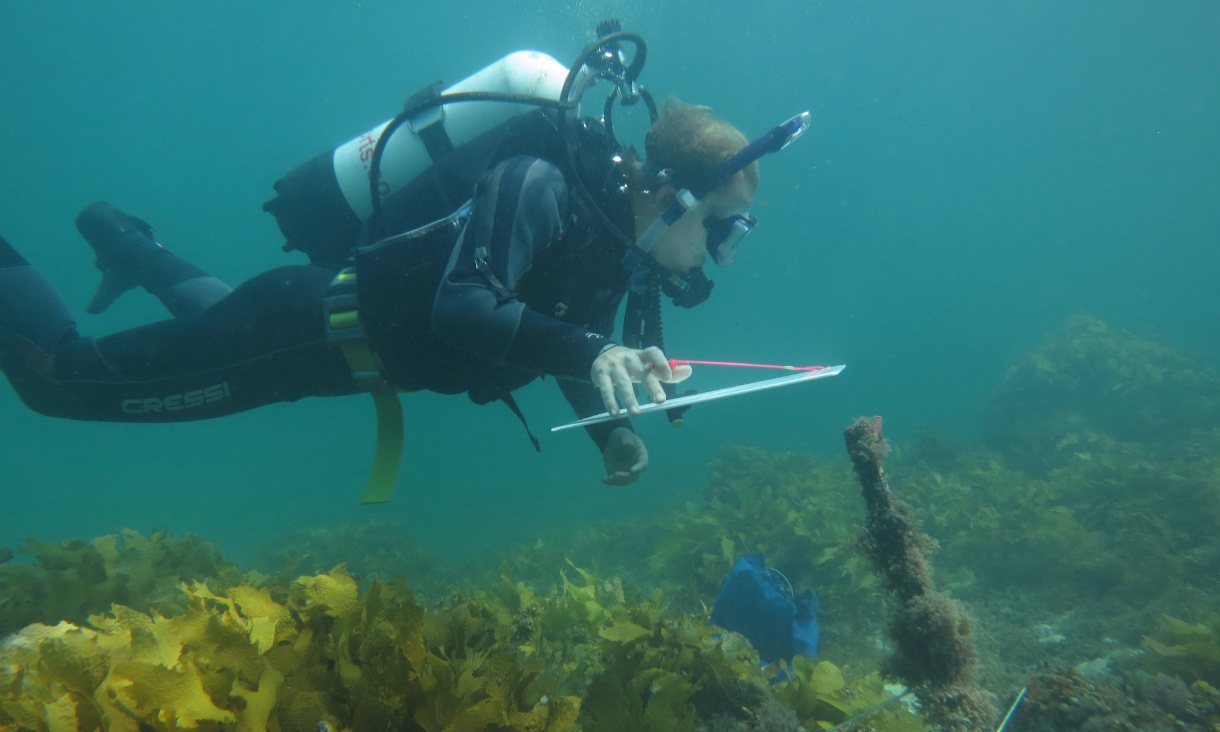
Sea urchin cull could deliver $92 million in ecosystem benefits: study
Restoring Port Phillip Bay’s dwindling kelp forests by culling overgrazing sea urchins would deliver more than $92 million in benefits, a new study has found.
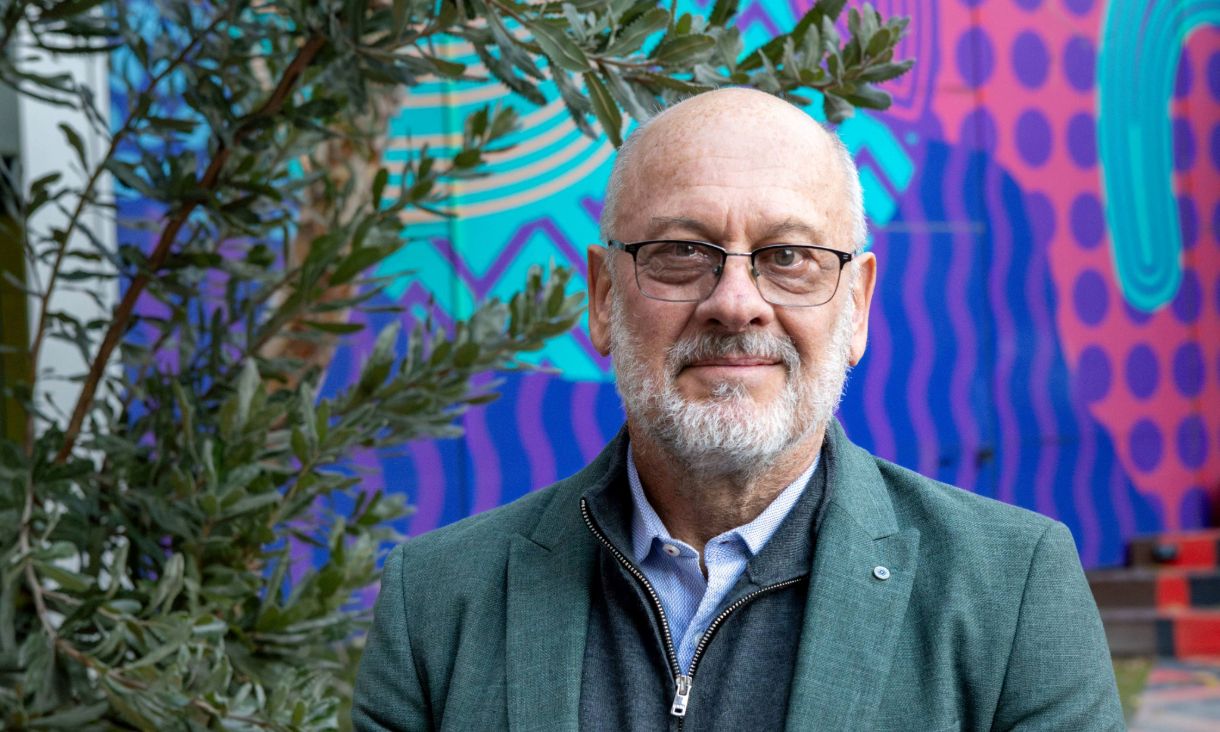
Professor Tim Flannery joins RMIT
Leading environmentalist, scientist, writer and researcher Professor Tim Flannery has joined RMIT in the College of Design & Social Context.

Confusing food labels are costing Australians, new research says it’s time for industry to act
New research from RMIT University and End Food Waste Australia reveals confusing food labels are driving Australians to throw away perfectly edible food, costing households money and contributing to the nation’s food waste problem.
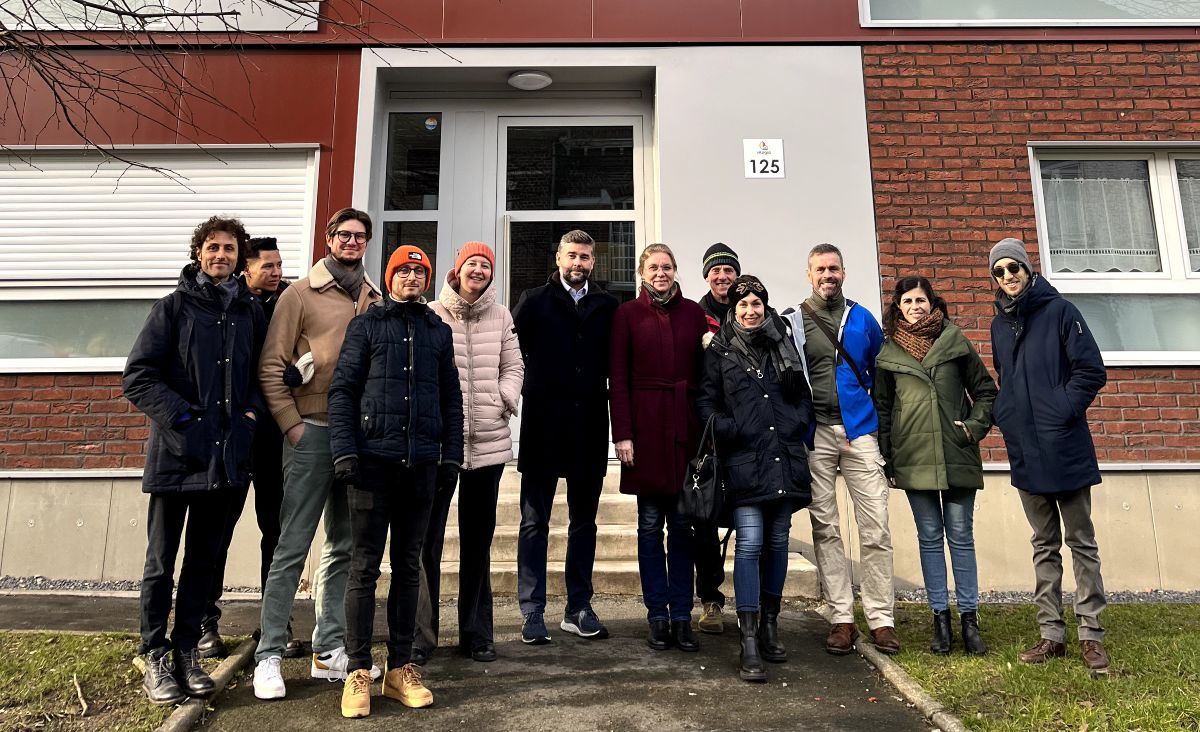
New research brings cultural and climatic perspectives into Plus Energy Building design
RMIT researchers have investigated everyday household practices to inform PEB design and enhance the use of energy-saving technologies in the home.
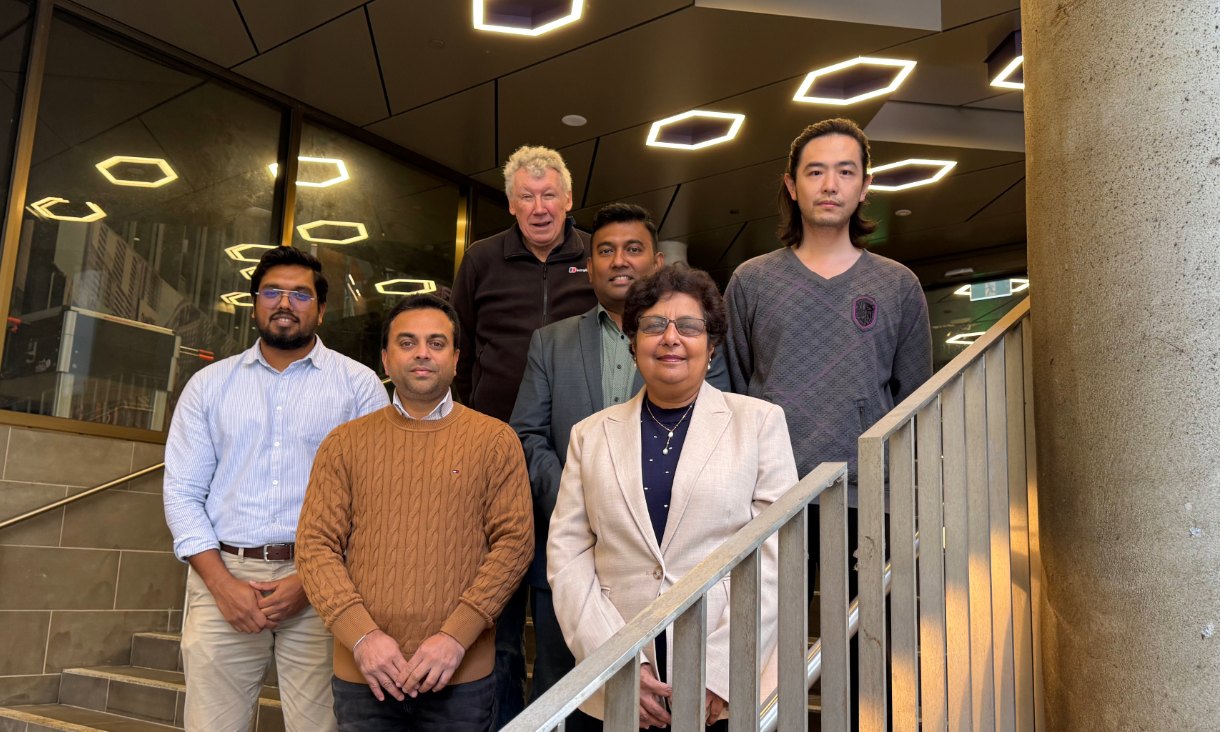
Common low-grade clay strengthens low-carbon concrete
Engineers have converted low-grade clay into a high-performance cement supplement, opening a potential new market in sustainable construction materials.
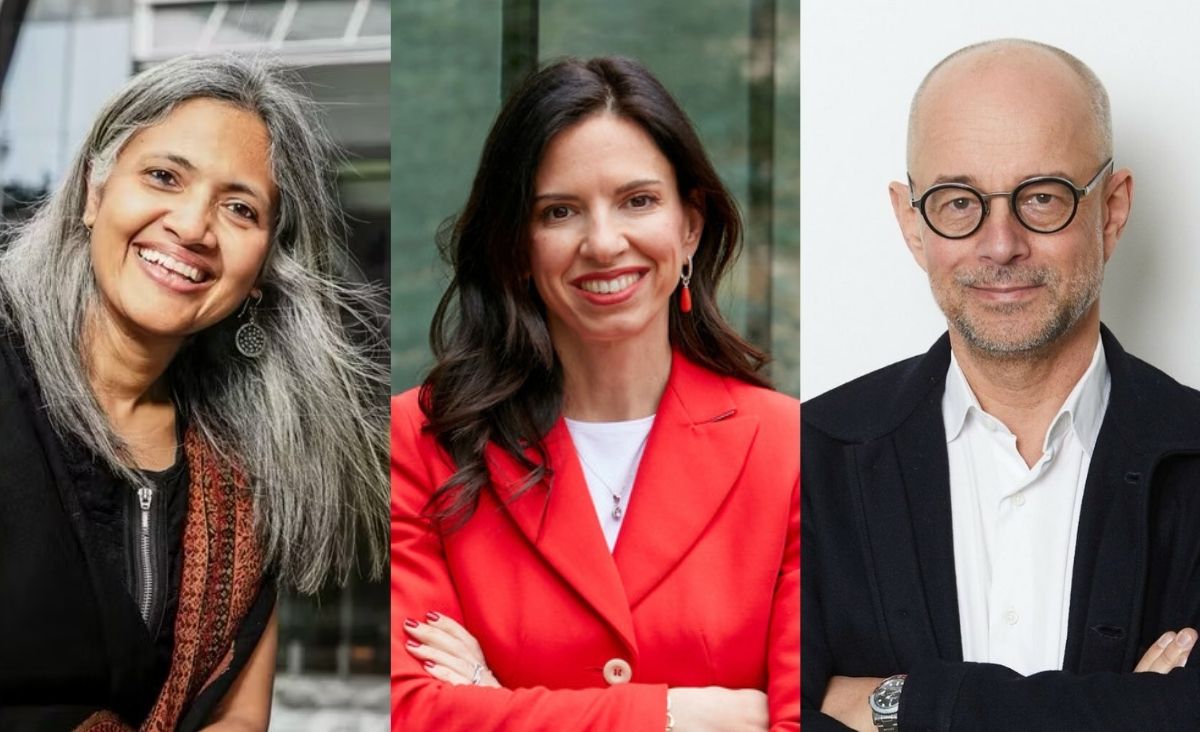
Common Purpose, RMIT Europe and EIT Urban Mobility announce new partnership focused on urban regeneration
By 2050, nearly 70% of the world’s population will live in urban areas, intensifying pressure on infrastructure, resources and communities.

Melbourne cycling infrastructure plan risks getting stuck in low gear if feeder networks not considered: new research
A new study highlights how far Melbourne still has to go in becoming a cycling city, warning the state government’s plan for strategic cycling corridors must be complemented by local government efforts to make local streets safer for cyclists.
Harnessing data to drive liveability
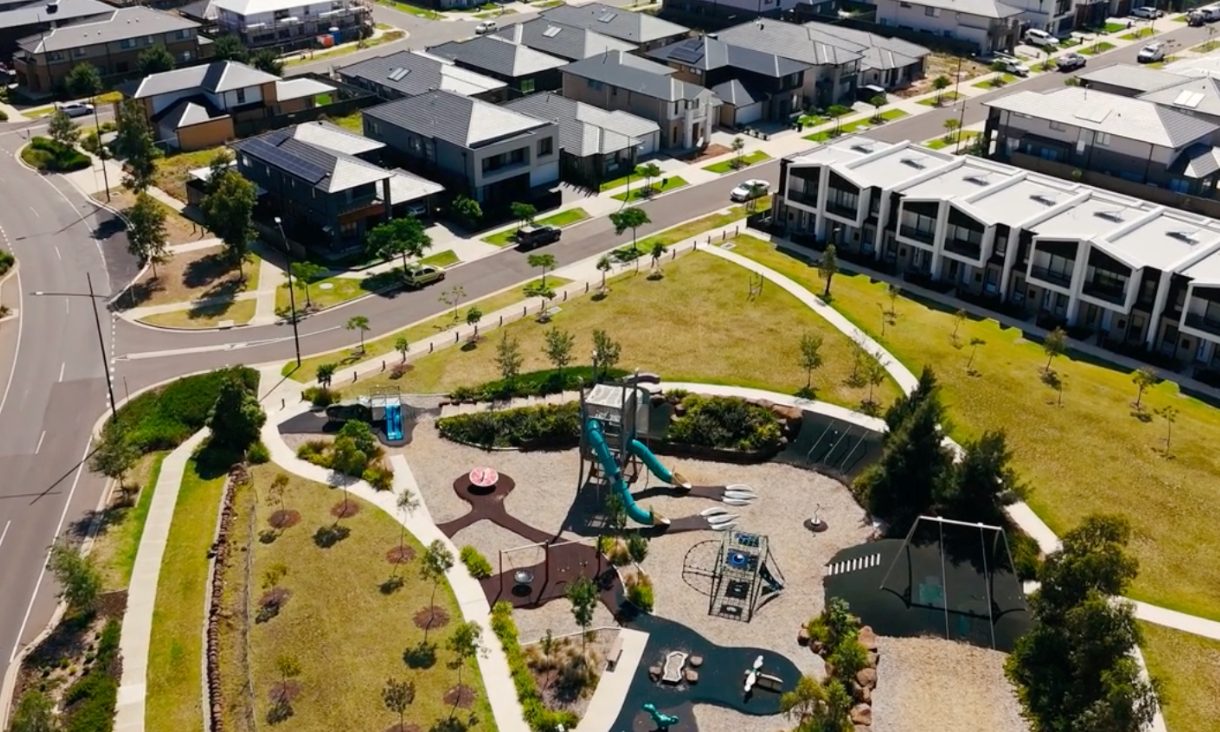
RMIT is collaborating with government and industry partners on an innovative data sharing project, which aims to create more sustainable, liveable and healthier communities.
Water expert joins RMIT Europe
Drawing on extensive expertise in water resource science from Melbourne, Australia, RMIT’s Professor Vincent Pettigrove is set to collaborate with RMIT Europe’s staff and industry partners over the next six months, particularly through his involvement in a research project aimed at improving coastal resilience throughout Europe.

Aussie tech helps make bio-oils for greener industrial applications
Australian technology developed at RMIT University could enable more sustainable and cheaper production of bio-oils to replace petroleum-based products in electronic, construction and automotive applications.

RMIT Centre for Applied Quantum Technologies launches during International Year of Quantum
This week, RMIT Centre for Applied Quantum Technologies (RAQT) was launched by the University.

How Melburnians work, learn and thrive in a post-lockdown city is revealed in new report
A first-of-its-kind, city-wide survey of Melbourne residents shows just how dramatically our working practices have changed since the beginning of the pandemic and highlights the digital infrastructure we need to support a vastly changed working, learning and thriving city, a new RMIT report reveals.